The 6th PPP week held early December 2021 by the Istanbul PPP Center of Excellence convened Public-Private Partnership practitioners from both the public and private sectors across the world (representatives from over 40 countries participated) to discuss the current status of PPPs and share ways in which they can be improved and better implemented in a world beset by pandemic and climate change challenges.
Proof of the ongoing relevance of PPPs in 2022 and beyond, were the presentations by participants from 23 country PPP Units and government ministries who disclosed their national PPP pipelines worth billions of dollars. These projects that hope to bridge the infrastructure funding gap and help countries achieve their Sustainable development Goals (SDGs) will provide the opportunity for the public and private sectors to be stakeholders and engage in fruitful collaboration
Main Takeaways: PPPs are still Relevant
PPPs are alive and now is the time to collaboratively do them better
Sustainability, resilience and adaptation need to be the core concepts for future PPPs if we hope to address climate change and the impacts of the global pandemic
Greater collaboration between the public and private sector where all are seen as equal partners will allow the beneficial leveraging of scarce resources and innovation
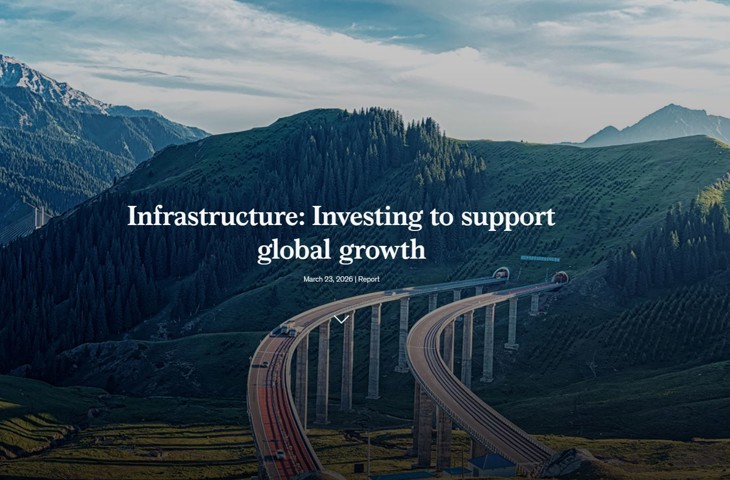
PPPs are increasingly becoming an important tool for big infrastructure projects – Turkey is a case in point with its PPP megaprojects that include the new Istanbul Airport, the Eurasia Tunnel, the Bosporus Bridges and some of the world’s biggest hospitals (i.e. Ankara Hospital)
Value for Money (VfM) qualitative and quantitative assessments of PPPs are increasingly becoming a legal requirement for PPPs
The corporate world is paying greater attention to ESG compliancy which is increasingly a foundational concept of PPP implementation
PPPs need to be seen as a tool for achieving sustainable development goals, not just as a procurement tool, and should include a wider focus on “People First” PPP principles (PfPPPs) as championed by UNECE, as well as future proofing projects through adaptation strategies
The successful implementation of PPPs requires the collaborative and effective mobilization of many resources from both the public and private sectors
Evolving PPPs will require government policy updates, improved governance and capacity building of both the public and private sectors
Investors have the choice of where to invest; therefore, countries should look at what their neighbors are doing well if they intend to attract investment
There is a need to do less “white elephant”-vanity projects and focus on meaningful projects that have positive socioeconomic outcomes
Appropriate risk allocation and mitigation are fundamental concerns that must remain a focus of projects as well as project monitoring and evaluation which goes hand in hand with risk mitigation
The $100 trillion of Assets under management by Institutional investors remains an underutilized source of financing for projects : just shifting the allocation by 1% towards unlisted infrastructure assets would go a long way towards bridging the infrastructure gap.
Enabling environments and PPP “socioeconomic and political landscapes” need to be strengthened to encourage more private sector participation
It was interesting to observe the vigorous dialogue that ensued between public and private sector practitioners at the Istanbul PPP conference. This challenges the notion that PPPs are a thing of the past. There might be jaded PPP detractors in advanced economies, but emerging economies need PPPs more than ever if they are able to achieve their sustainable development goals. New sectors such as SMART transportation infrastructure, digital infrastructure, and healthcare are heralding in new opportunities for PPPs. With the support of Multilateral development banks and Development finance institutions, PPPs are being re-booted as a development delivery tool.
______________________________________________________
Original article published on LTIIA.org by David Baxter, Member of the World Assoc. of PPP Units & Professionals in December 2021
Want to discuss?
We are always keen to hear from you.